We help people of all ages manage pain, improve movement and return to the activities they enjoy.
Every patient receives a thorough assessment and individualised treatment plan.
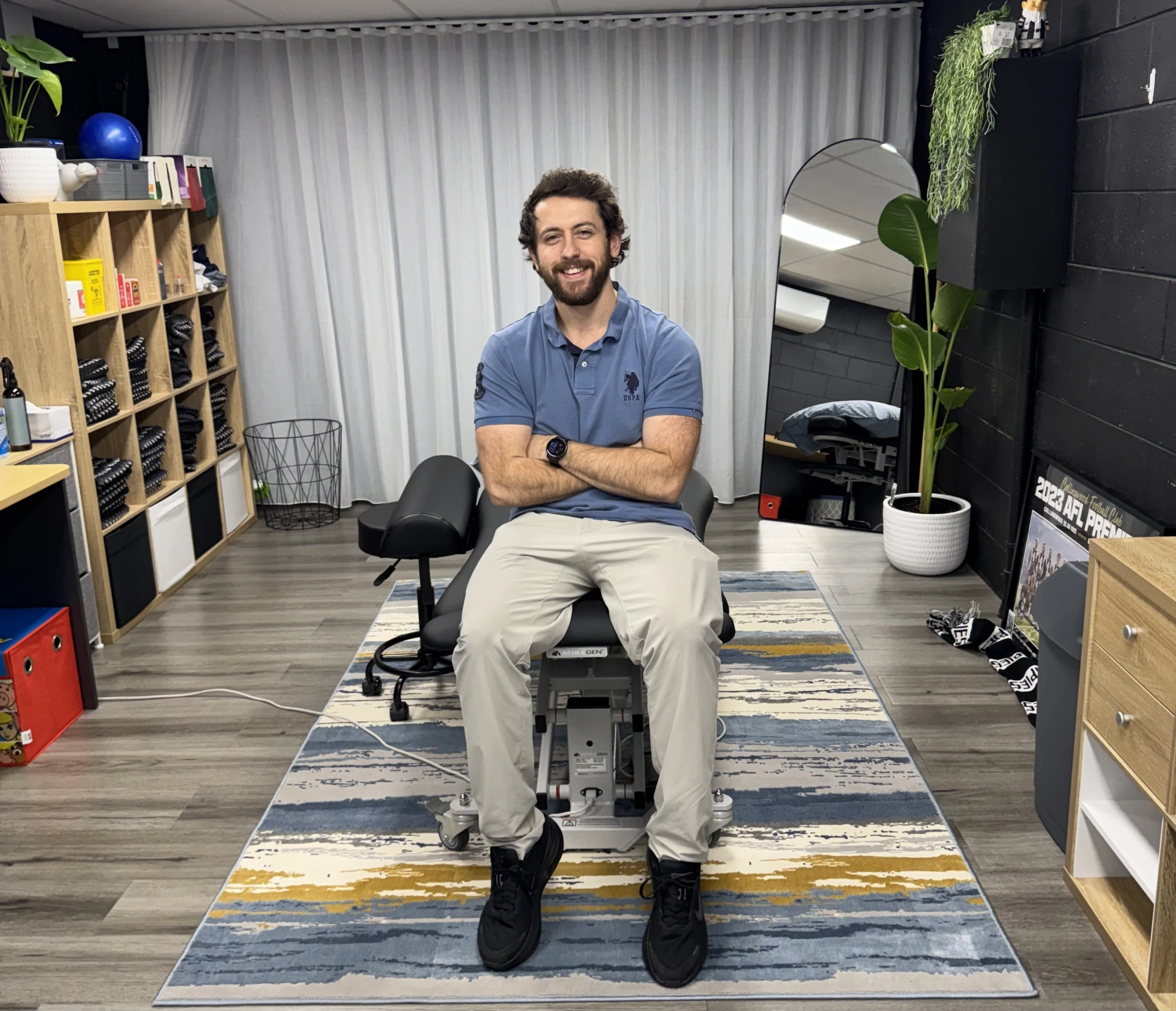
About Galley Osteopathy
At Galley Osteopathy, we believe every patient deserves individualised care in a friendly, welcoming environment. No two people or injuries are the same, so we take the time to understand your story, your goals and what matters most to you.
Our approach combines thorough assessment, hands-on osteopathic treatment, education and personalised rehabilitation to help you recover with confidence. Rather than simply treating where it hurts, we aim to identify the underlying factors contributing to your symptoms and provide practical solutions that support long-term results.
Whether you're recovering from an acute injury, managing persistent pain or simply wanting to move and feel better, we're committed to providing high-quality care that's tailored to your needs.
Our goal is simple: to help you move well, feel your best and get back to doing the things you love.
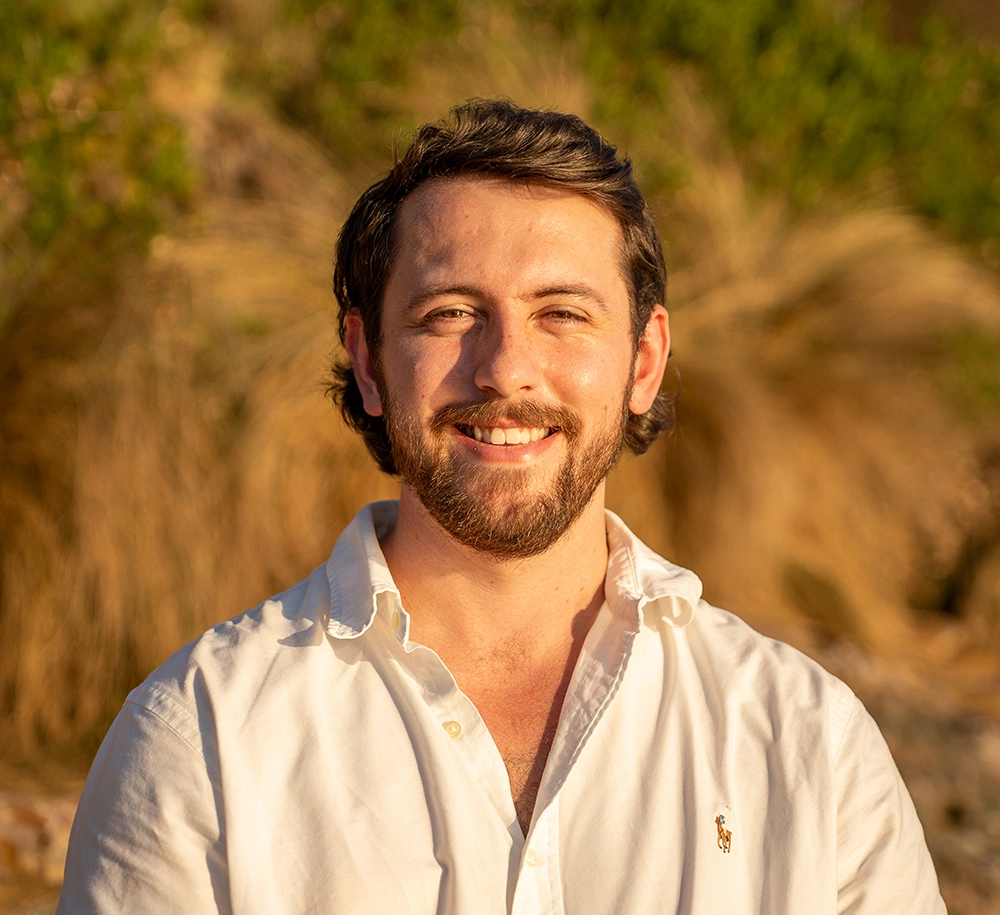
Meet Beau
Hi, I'm Beau, founder and Osteopath at Galley Osteopathy.
I graduated from Victoria University with a Master of Osteopathy after discovering the profession through my own sporting injuries. Having played basketball, football and tennis growing up, I understand how frustrating pain and injury can be and how important it is to get back to doing what you enjoy.
I enjoy treating people of all ages, from athletes and office workers to children, older adults and those living with persistent pain. Every appointment begins by understanding your story, completing a thorough assessment and developing a treatment plan that's tailored specifically to you.
My treatment style is hands-on and personalised, combining techniques such as joint mobilisation and manipulation (HVLA), soft tissue therapy, dry needling, cupping and exercise rehabilitation. My goal is not only to reduce your pain, but to help you move better, regain confidence and stay active for the long term.
Outside the clinic, you'll usually find me at the gym, gaming, or watching sport - I'm a mad Collingwood AFL supporter and Lakers NBA fan. I also enjoy spending time with my wife, our two cats Obi and Grogu, or our Border Collie, Willow.
Conditions We Commonly Treat
While no two injuries are the same, below are some of the more common conditions we regularly assess and treat.
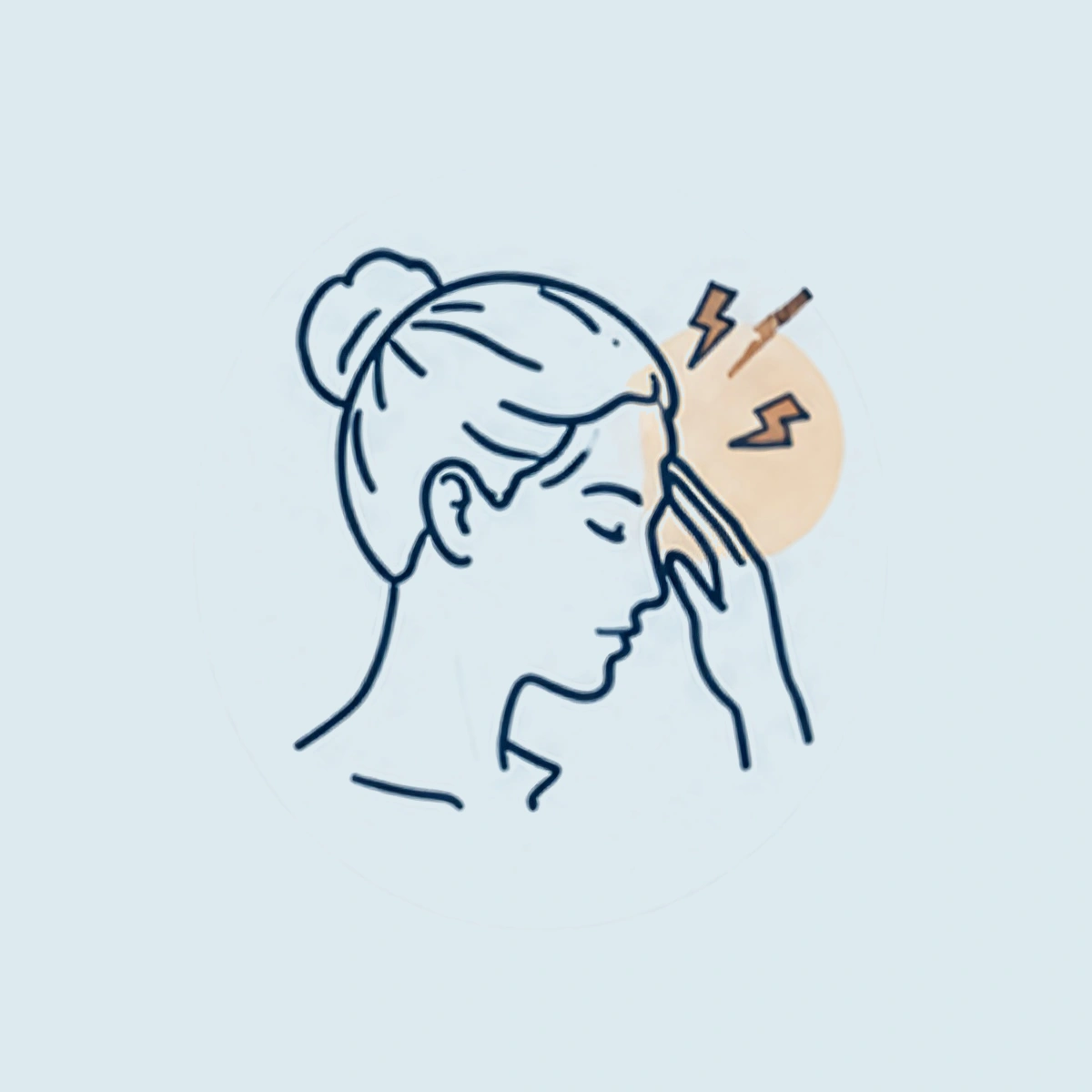
Headaches & Migraines
Recurring headaches can have a significant impact on work, exercise and everyday life. Many headaches can be influenced by tension through the neck, shoulders and upper back.
Treatment focuses on identifying contributing factors, improving neck mobility, reducing muscle tension and providing practical strategies to help minimise future flare-ups.
Common presentations include:
Cervicogenic headaches
Tension headaches
Neck-related migraines
Jaw (TMJ) dysfunction
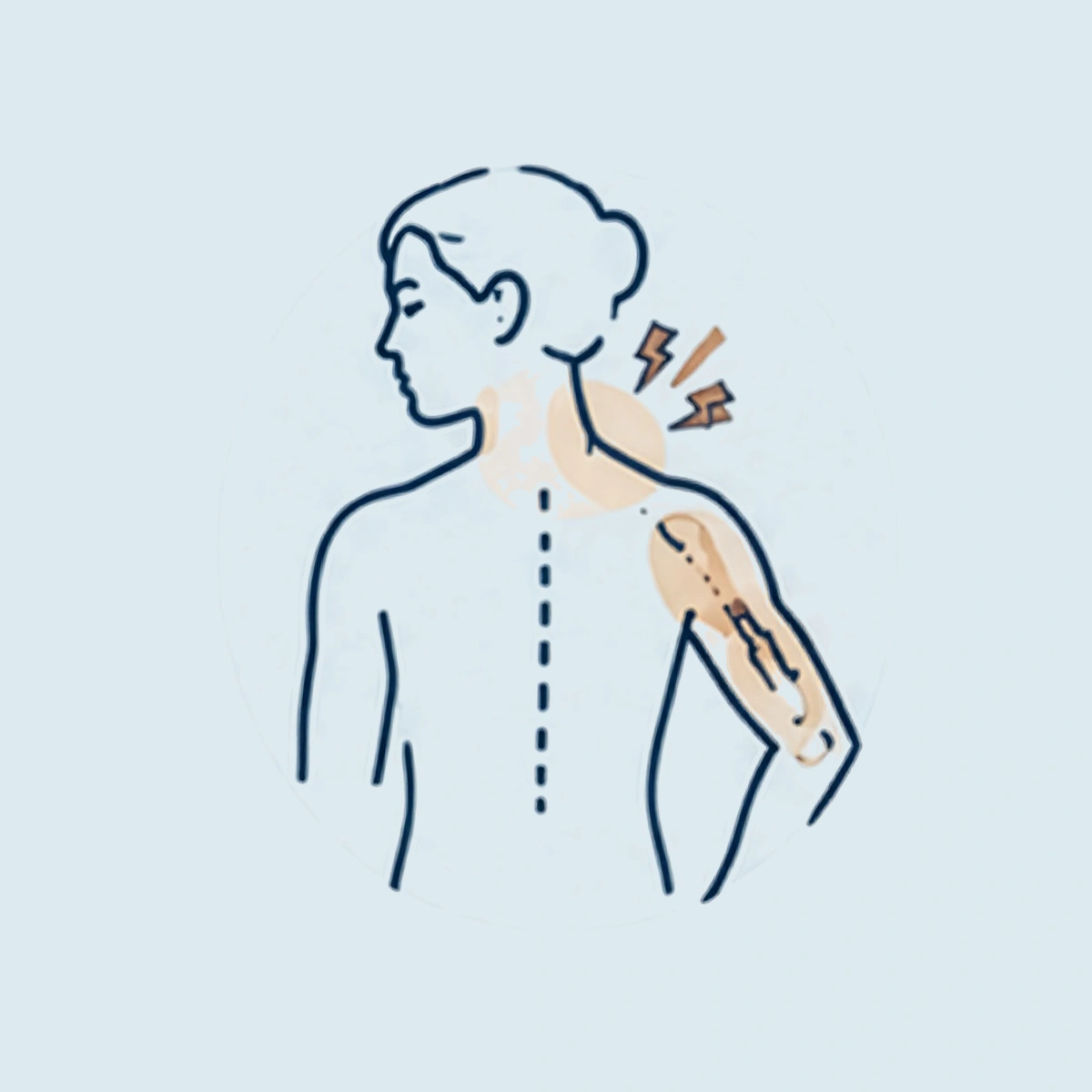
Neck Pain & Arm Referral
Whether your neck pain developed after sleeping awkwardly, working at a desk, a sporting injury or a motor vehicle accident, we'll work to identify the underlying cause.
Symptoms may include:
Neck stiffness
Reduced movement
Muscle tightness
Pins and needles
Pain referring into the shoulder, arm or hand
Whiplash injuries
Treatment may include hands-on therapy, joint mobilisation, manipulation, dry needling, soft tissue techniques and rehabilitation exercises.
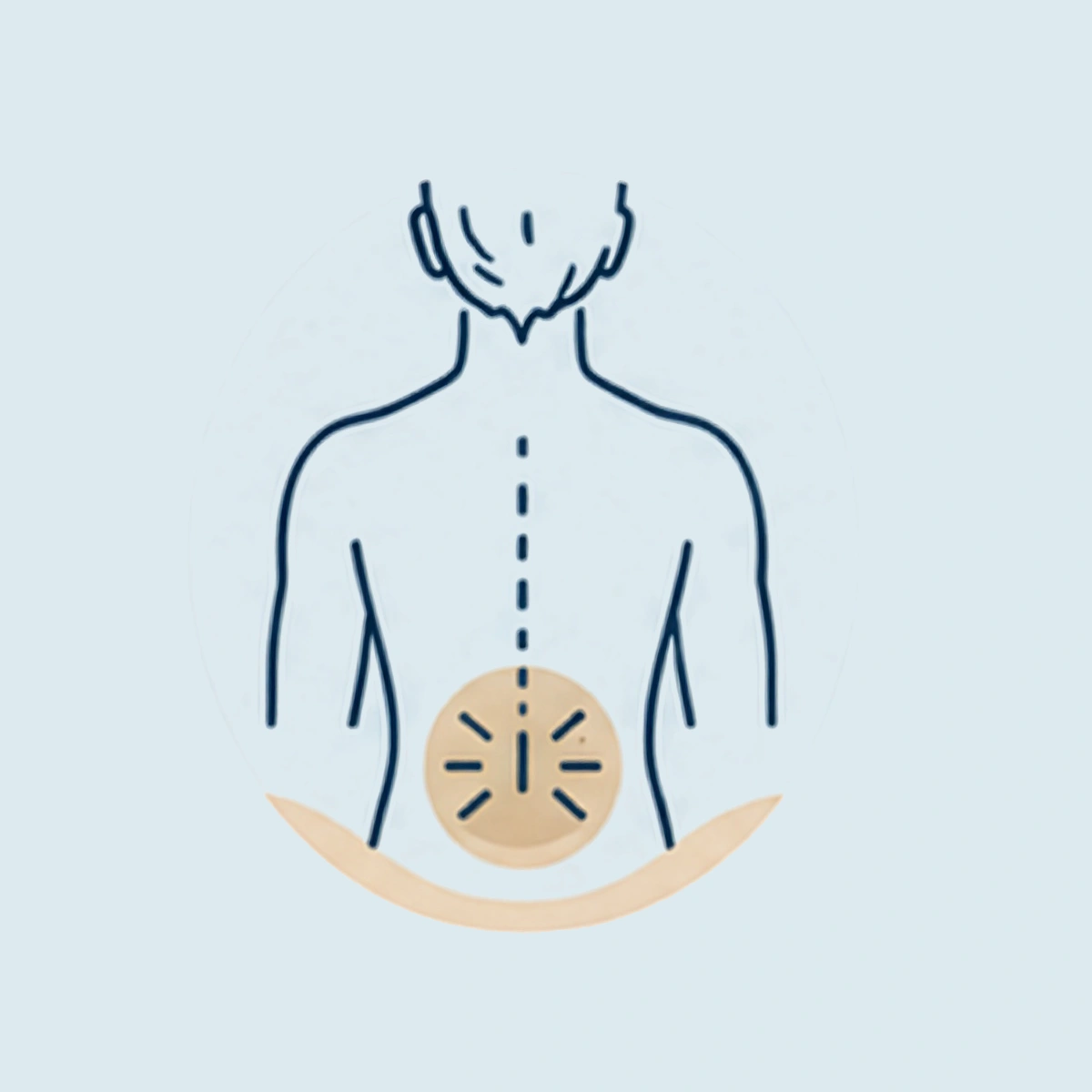
Acute & Chronic Back Pain
Back pain is one of the most common reasons people visit an Osteopath.
Whether your pain started yesterday or has been bothering you for years, our goal is to understand why it's occurring and develop a plan that helps you recover and stay active.
We commonly manage:
Mechanical low back pain
Mid back pain
Facet joint irritation
Muscle strains
Persistent back pain
Recurrent episodes of back pain
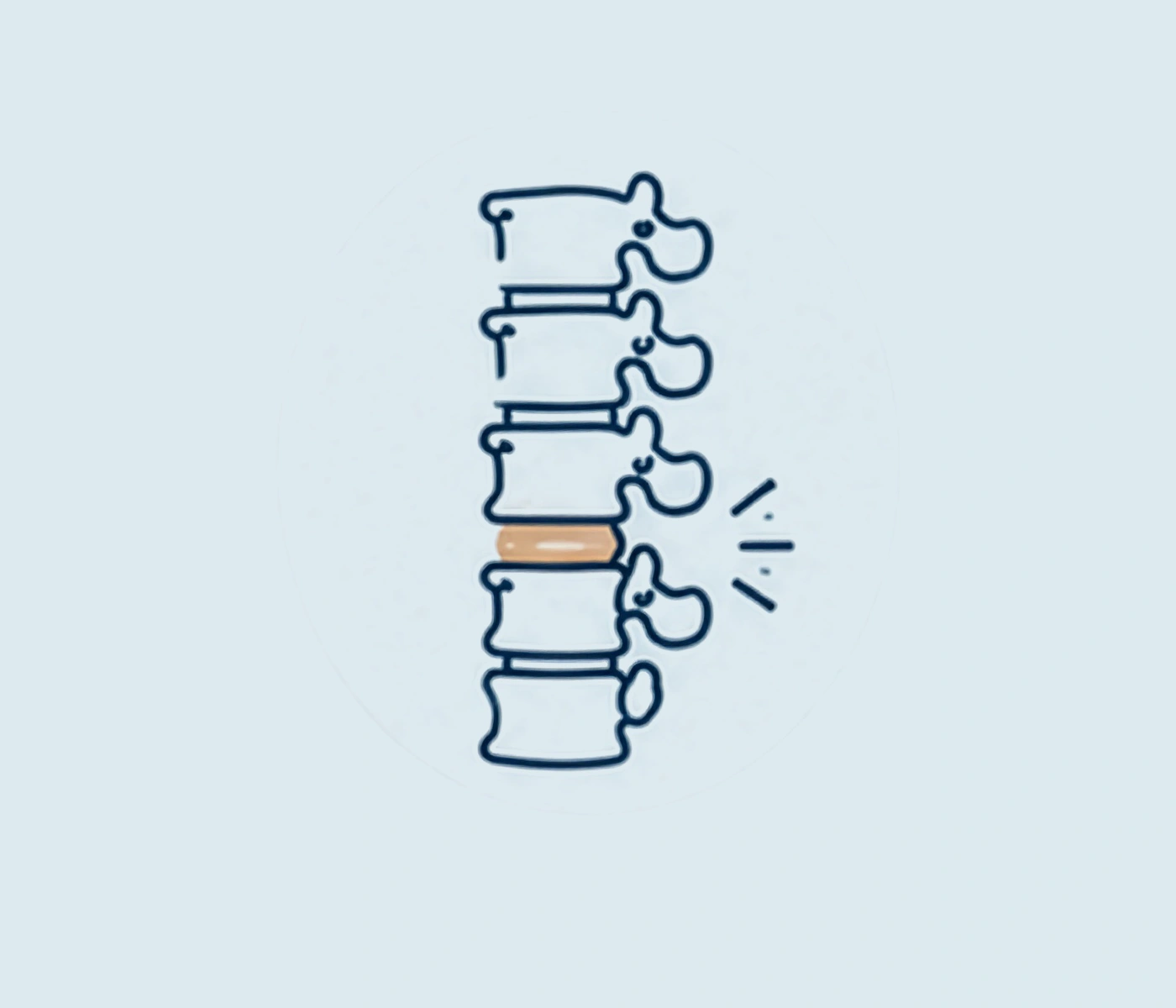
Disc Injuries & Sciatica
Disc injuries and irritation of the sciatic nerve can cause pain into the buttock, leg or foot and may also produce numbness, tingling or weakness.
Following a detailed assessment, treatment focuses on reducing pain, restoring movement, improving confidence and guiding you through a gradual rehabilitation program tailored to your recovery.
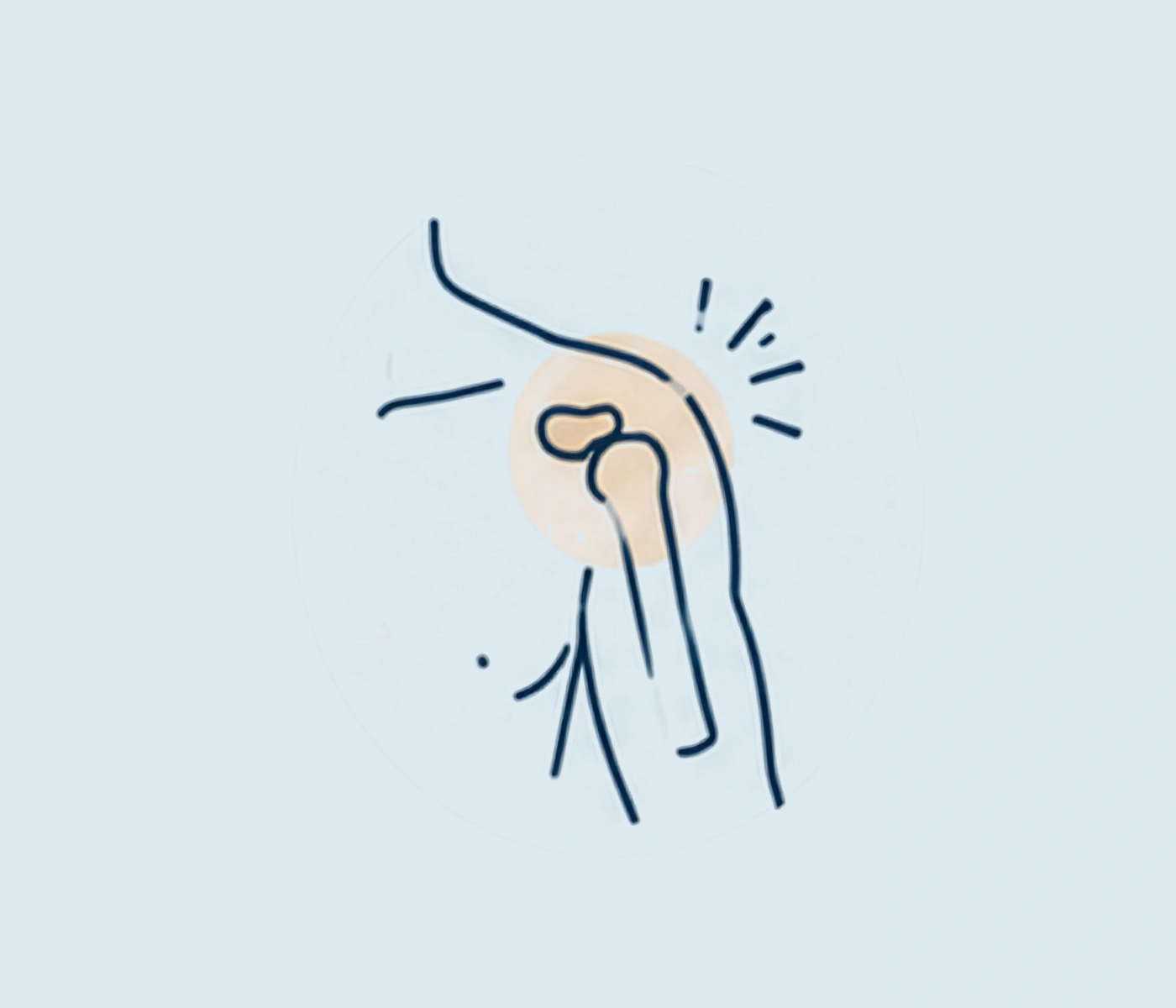
Shoulder Pain
Shoulder pain can make everyday tasks like reaching overhead, lifting, sleeping or exercising difficult.
Common shoulder conditions include:
Rotator cuff injuries
Shoulder impingement
Bursitis
Frozen shoulder
AC joint injuries
Shoulder instability
Tendinopathy
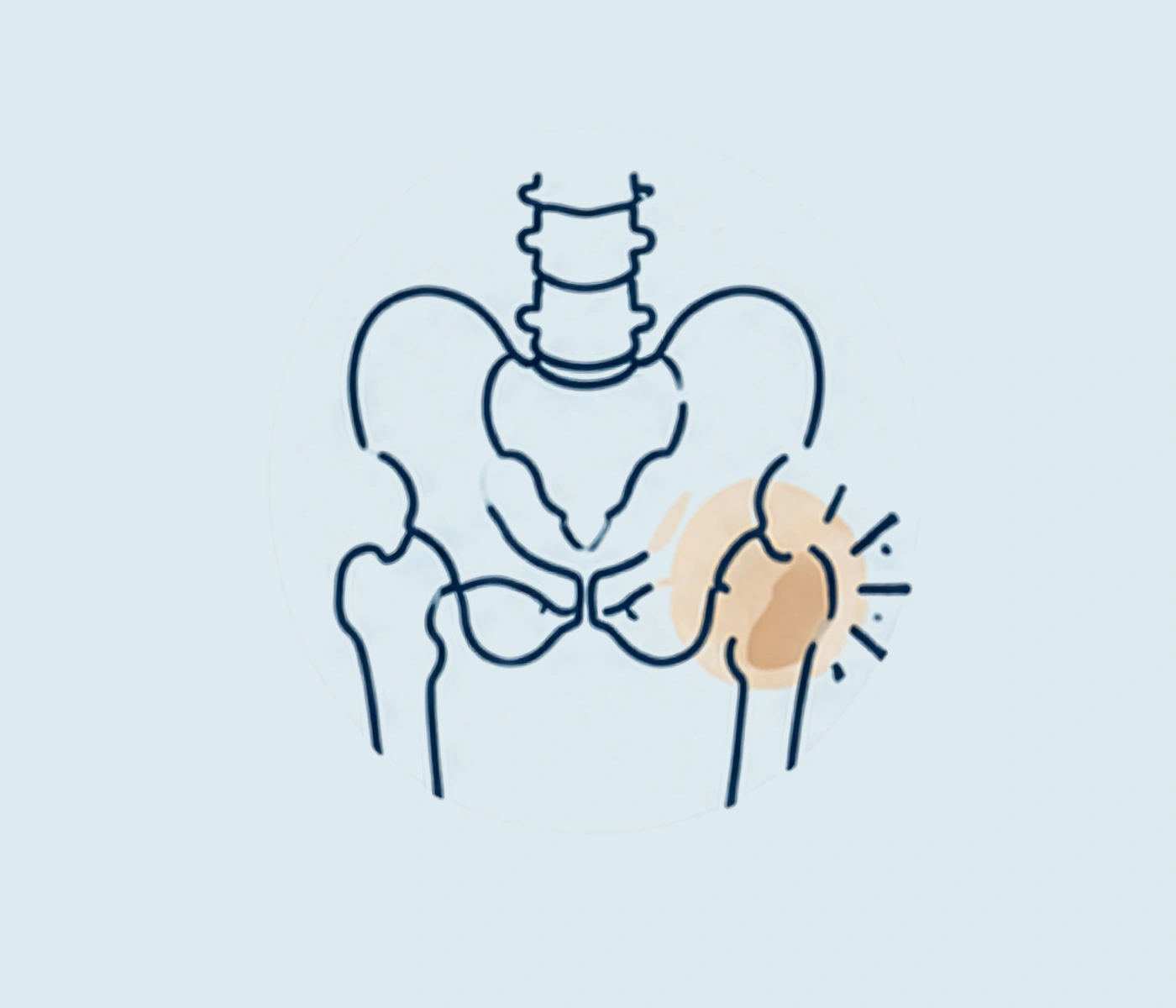
Hip, Pelvis & Groin Pain
The hip and pelvis work closely with the lower back, making accurate assessment essential.
We regularly help patients experiencing:
Hip pain
Gluteal tendinopathy
Hip impingement
Labral irritation
SIJ pain
Groin strains
Osteoarthritis
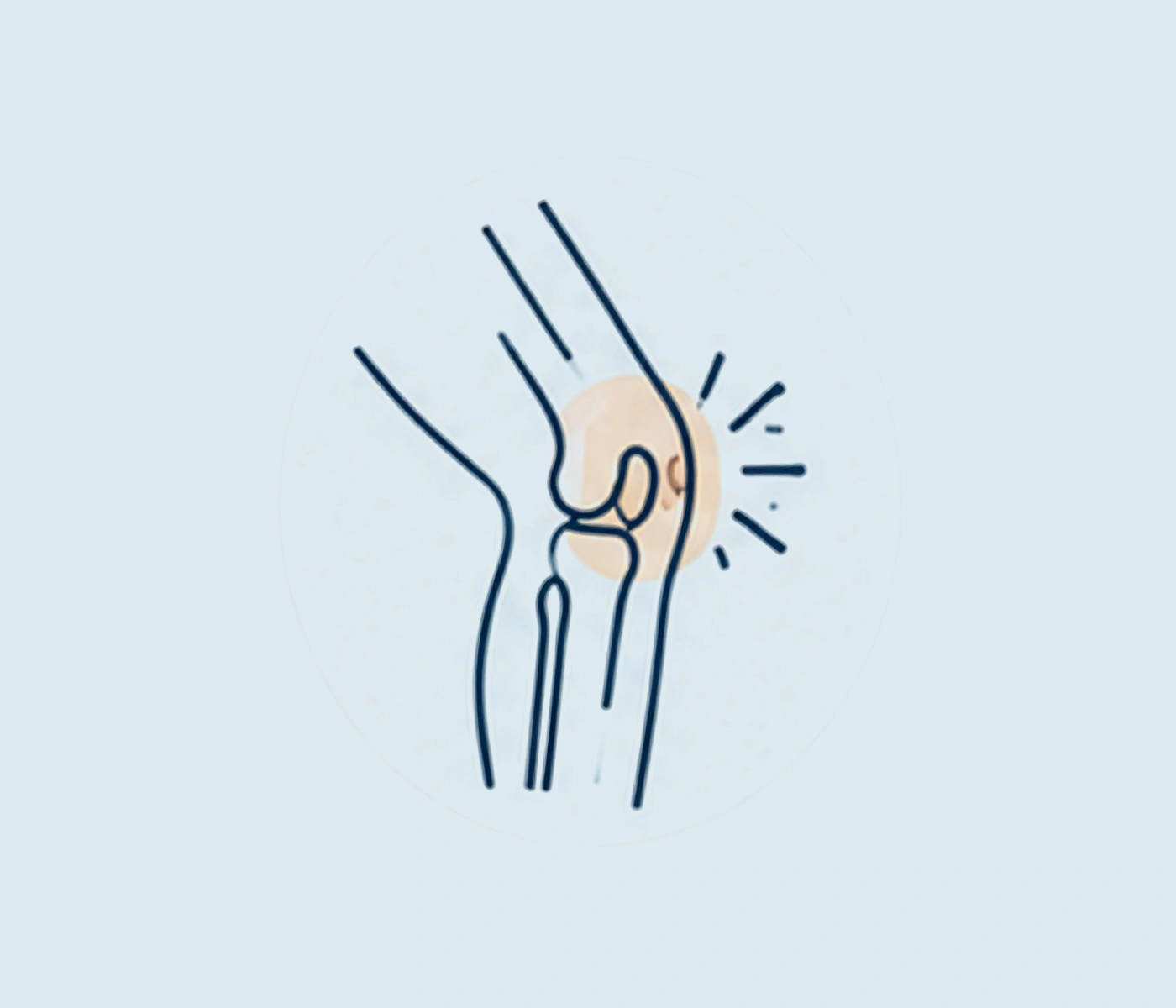
Knee Pain
Whether you're an athlete, weekend walker or simply noticing pain climbing stairs, knee pain can affect your quality of life.
Common conditions include:
Osteoarthritis
Meniscus injuries
Patellofemoral pain
Tendon pain
Ligament sprains
Running-related knee pain
Post-operative rehabilitation
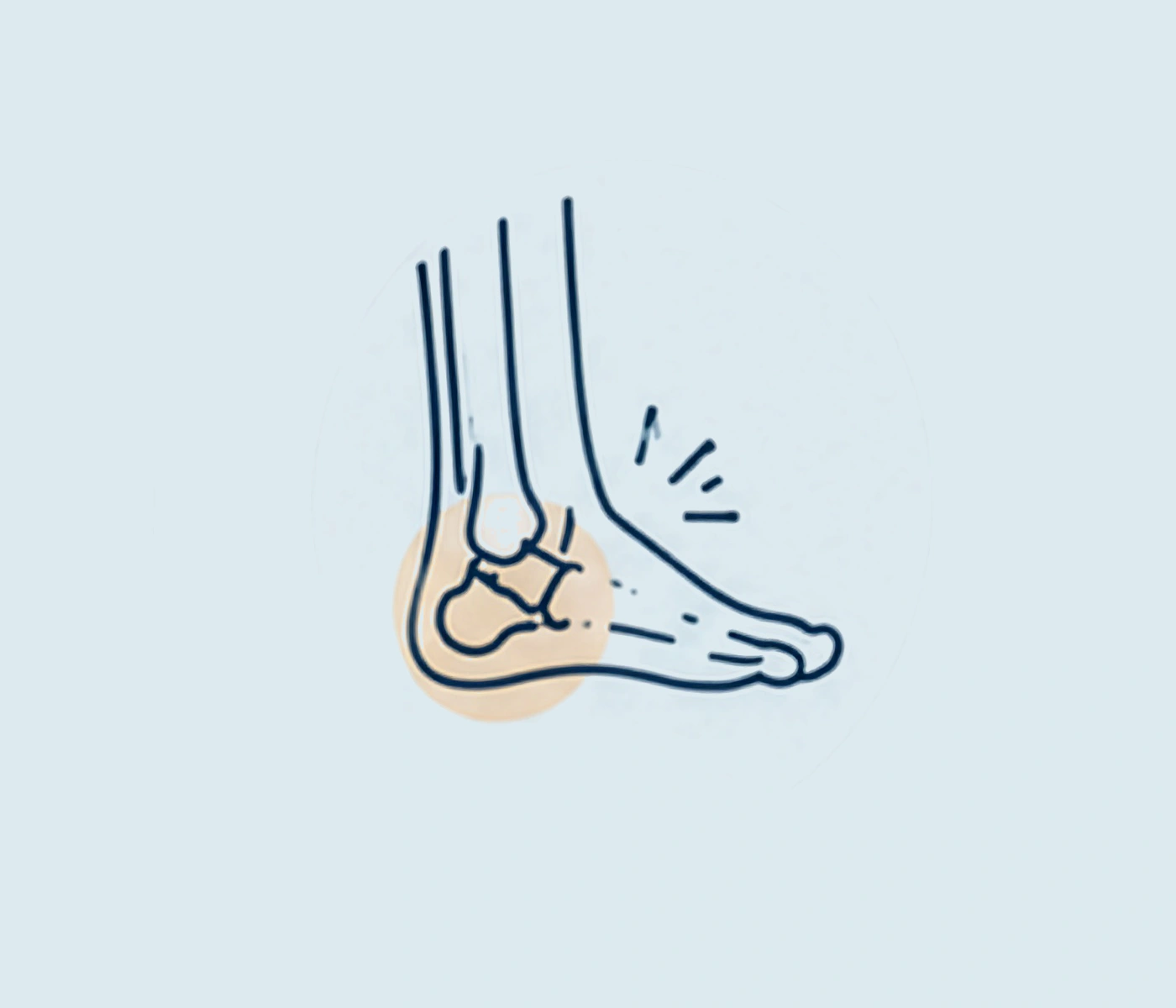
Foot & Ankle Pain
Your feet absorb thousands of steps every day, making them particularly prone to overload injuries.
We commonly assess and treat:
Plantar fasciitis
Achilles tendinopathy
Ankle sprains
Shin splints
Heel pain
Running injuries
Foot biomechanics
Sports Injuries
Whether you're an elite athlete, weekend warrior or just getting back into exercise, we can help you recover safely and return to the activities you enjoy.
Common sporting injuries include:
Muscle strains
Ligament sprains
Tendon injuries
Running injuries
Gym injuries
Shoulder injuries
Knee injuries
Ankle sprains
Rehabilitation and return-to-sport planning form a key part of every treatment plan.
Pregnancy-Related Pain
Pregnancy brings significant changes to the body, often placing extra stress on the spine, pelvis and surrounding muscles.
We commonly assist with:
Pelvic girdle pain
Lower back pain
Hip pain
Rib pain
Neck pain
Postural discomfort
Treatment is always modified to suit each stage of pregnancy and your individual comfort.
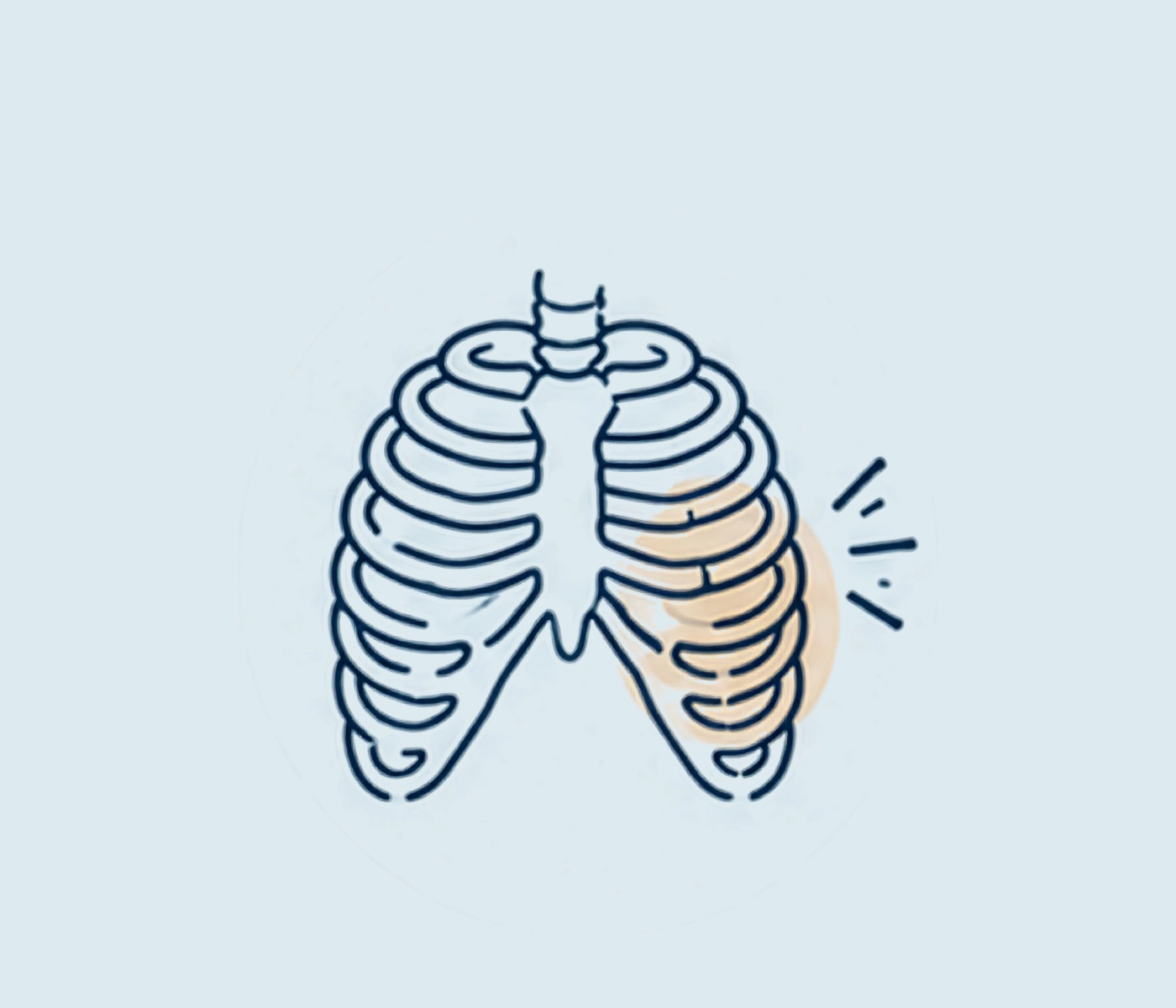
Chest & Rib Pain
Pain through the chest wall and ribs can be caused by irritation of the joints, muscles or connective tissues around the rib cage.
Common presentations include:
Rib joint dysfunction
Intercostal muscle strains
Costochondral irritation
Pain with breathing or twisting
Following appropriate assessment to rule out serious medical causes, treatment aims to restore movement and reduce discomfort.
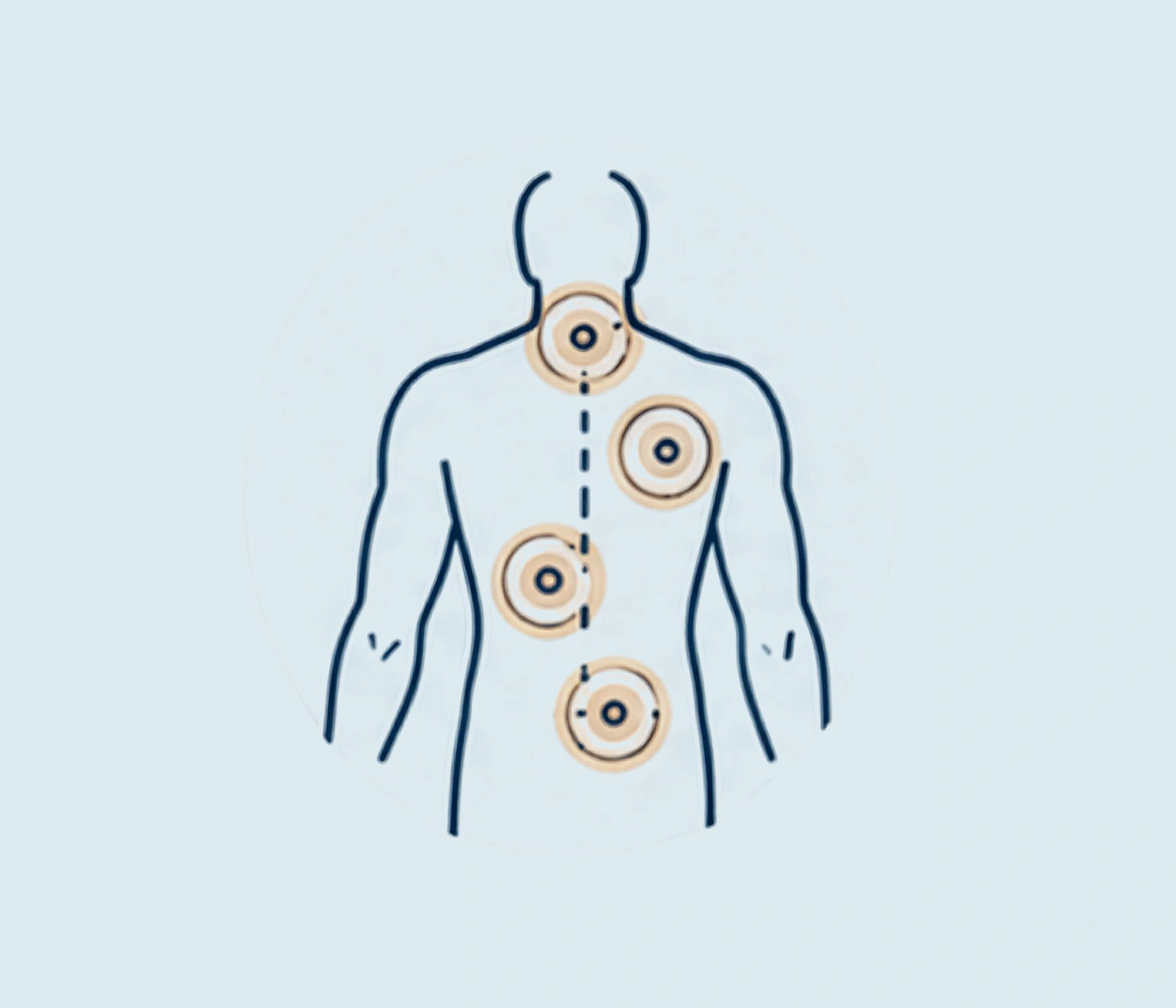
Chronic & Complex Pain
Living with pain for months or years can affect every aspect of life.
I have a particular interest in helping people with persistent pain presentations by combining hands-on treatment, education, movement, exercise rehabilitation and practical self-management strategies.
Conditions may include:
Persistent spinal pain
Fibromyalgia (alongside medical care)
Complex musculoskeletal pain
Chronic overuse injuries
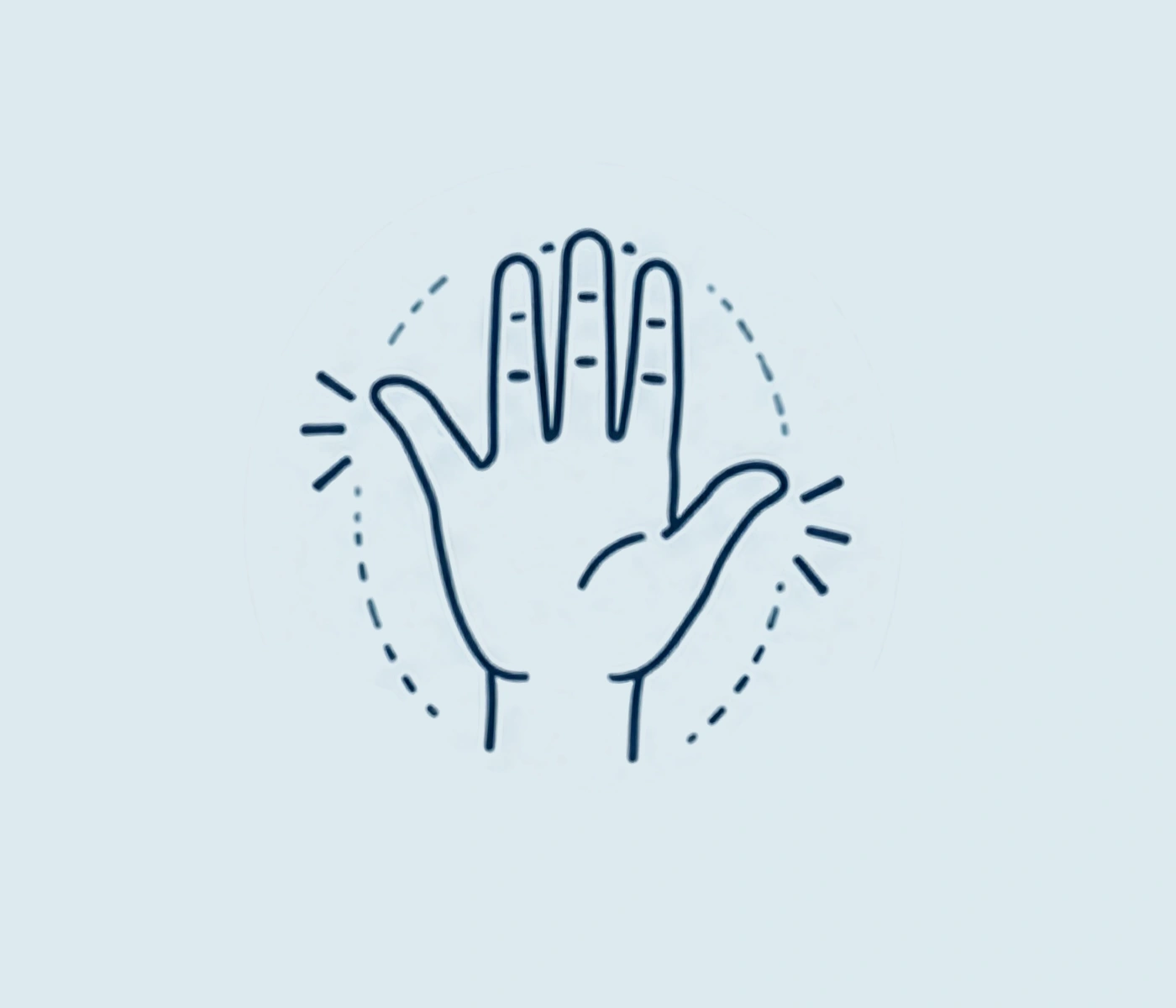
Hypermobility
People with hypermobility often experience recurrent joint pain, instability, muscle fatigue and repeated injuries.
Treatment focuses on improving strength, joint control, stability and confidence while reducing pain and helping you stay active.
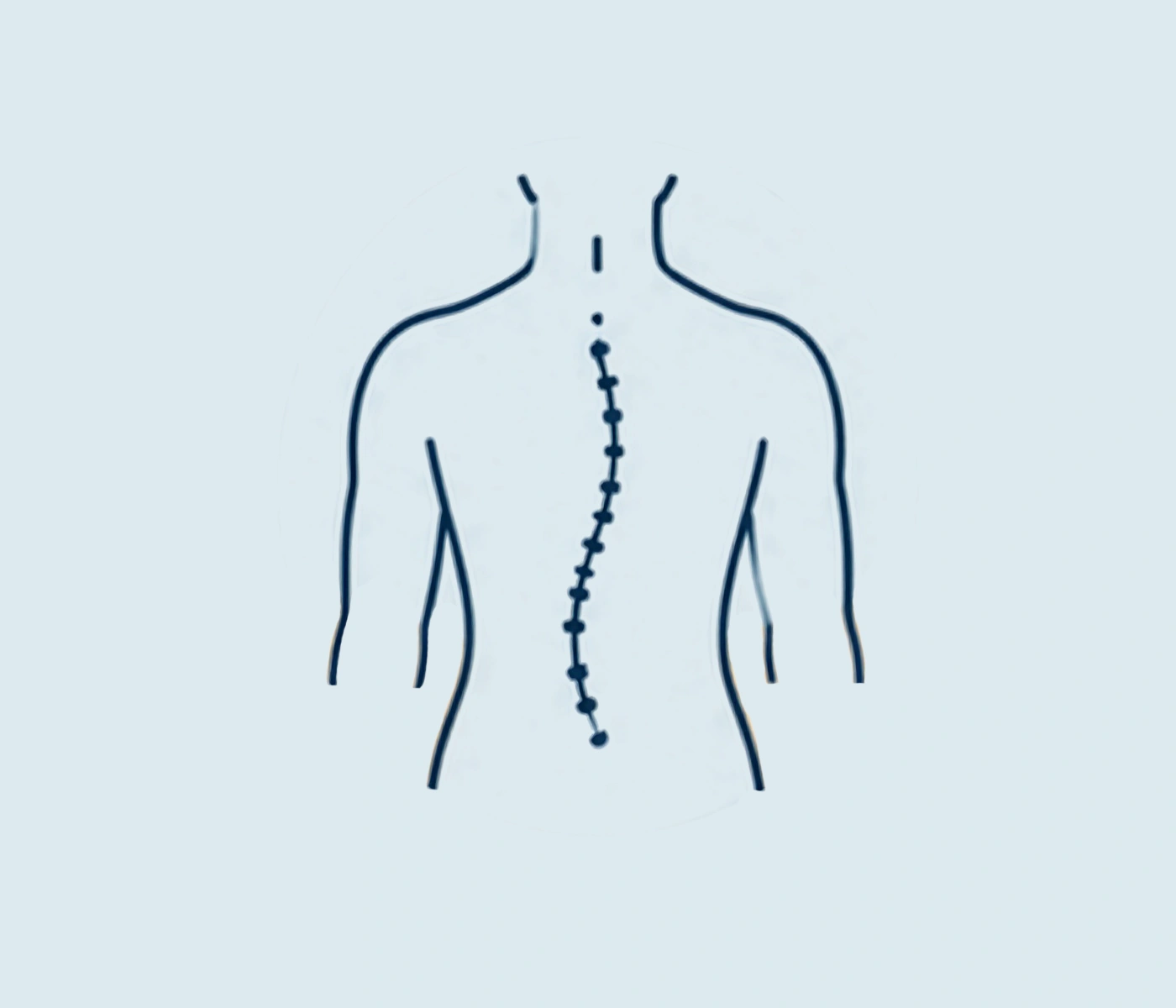
Scoliosis & Scheuermann's Disease
Changes in spinal shape can contribute to stiffness, muscular fatigue and discomfort.
While osteopathy cannot "straighten" the spine, treatment can help improve mobility, reduce muscular tension, support posture and provide targeted exercise programs to improve function and manage symptoms.
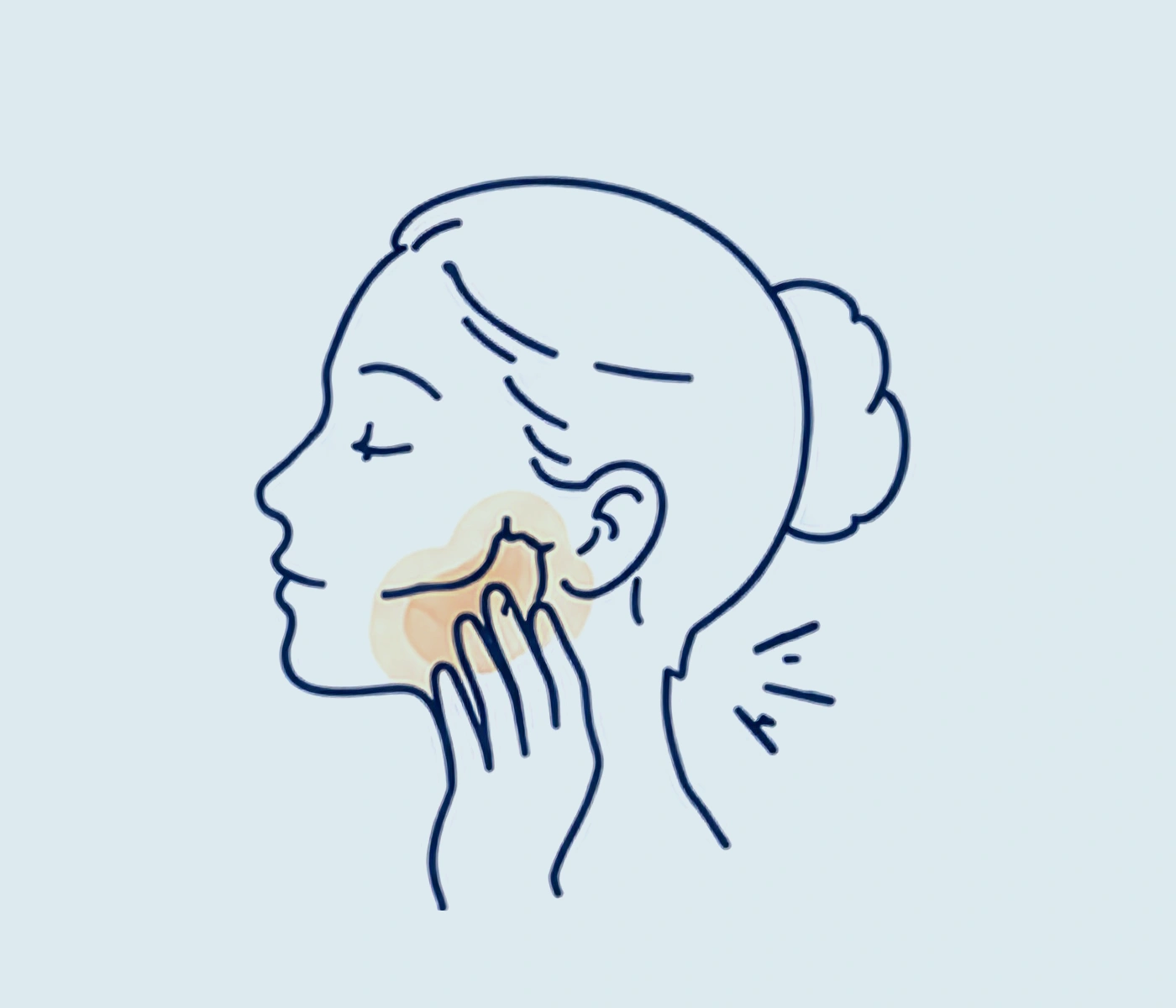
TMJ Dysfunction
Jaw pain, clicking, stiffness, headaches, and teeth grinding (bruxism) can all be signs of temporomandibular joint dysfunction (TMD). Osteopathic treatment and rehab aims to reduce pain, improve jaw movement, relieve muscle tension, and address contributing factors affecting the jaw, neck, and upper back.
We Also Commonly Help
Arthritis
Postural pain
Workplace injuries
TAC injuries
DVA presentations
WorkSafe injuries
Lymphoedema Support
Tendinopathies
Tennis and Golfer's Elbow
Wrist and hand pain
Jaw (TMJ) dysfunction
Muscle strains
Ligament sprains
General aches and pains
Mobility and balance concerns
Rehabilitation post surgery
Treatment Modalities
Below are the treatment techniques your Osteopath may use during a consultation with you.
Every treatment is tailored to you, and you'll always have the opportunity to ask questions, discuss any concerns and decide what you're comfortable with.
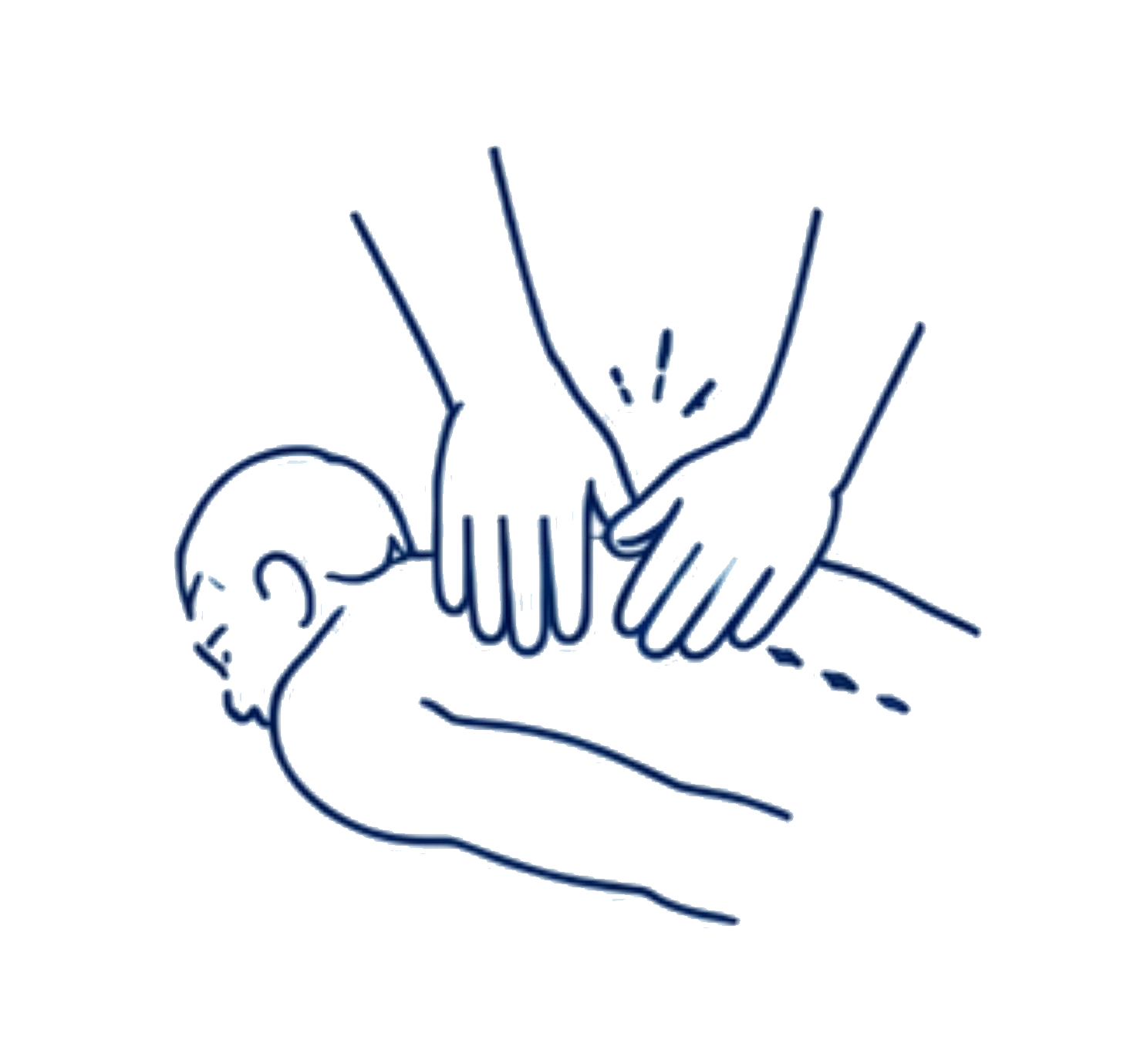
Cracking/HVLA (High Velocity Low Amplitude Technique)
Often referred to as a "cracking" HVLA involves a quick, precise movement applied to a joint to improve mobility and reduce pain. You may hear a popping or cracking sound, which is simply the release of gas from the joint not bones moving out of place. This technique is only used when clinically appropriate and always with your consent.
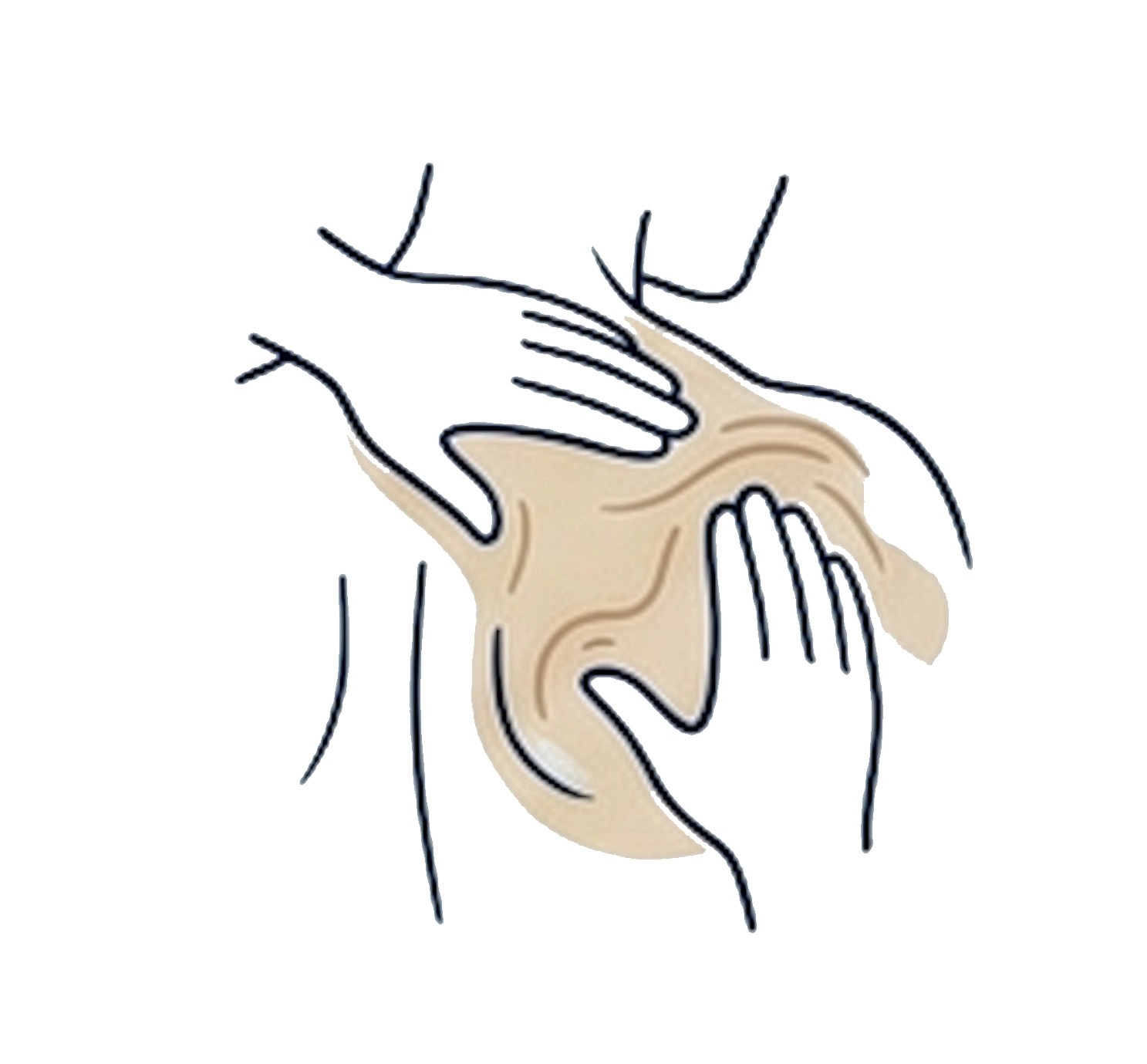
Massage
Soft tissue massage focuses on treating muscles, tendons, ligaments, and connective tissue to reduce muscle tightness and improve movement. By releasing tight or overworked muscles, massage can help relieve pain, improve circulation, enhance flexibility, and promote recovery from injury or everyday stress.
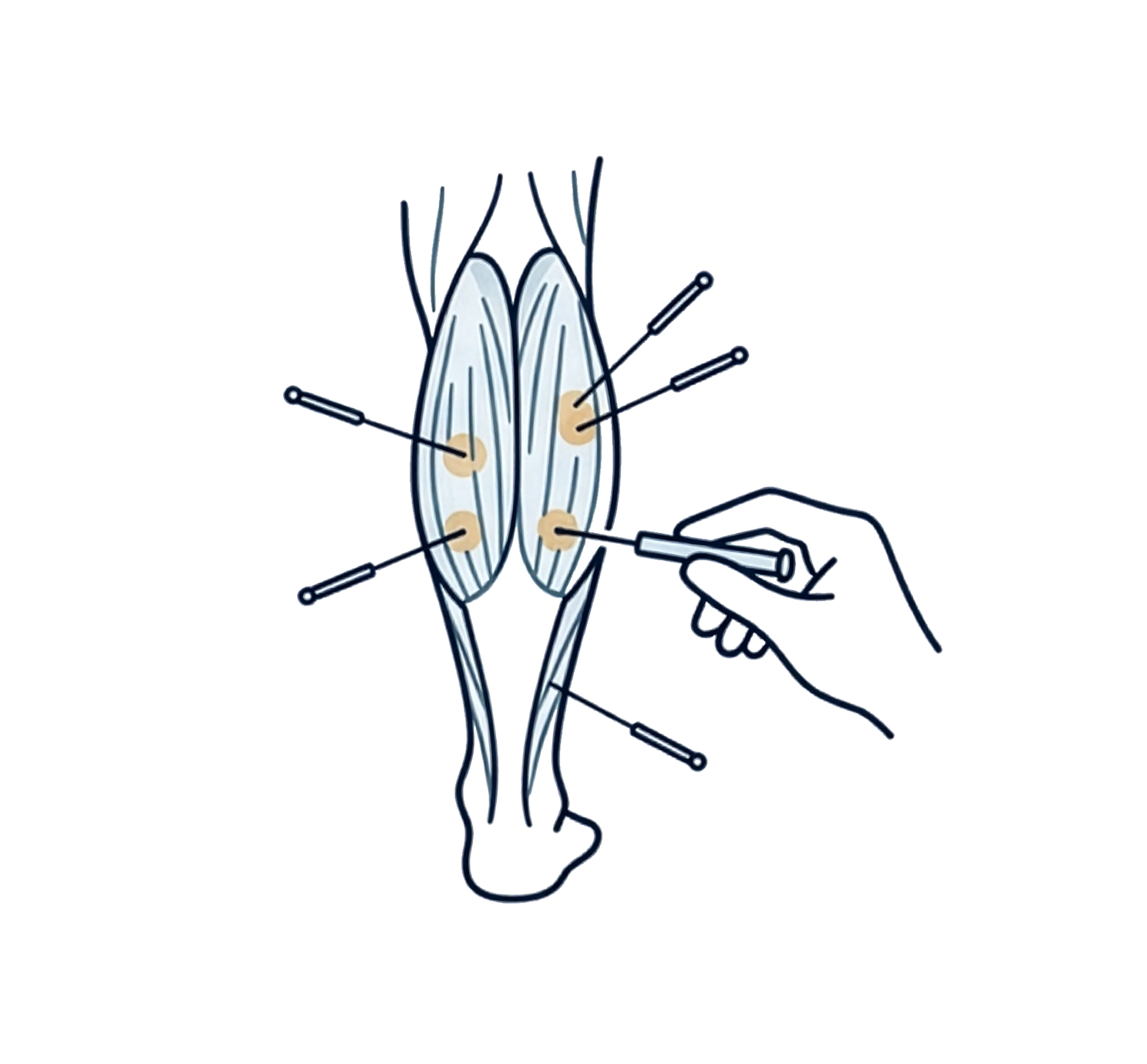
Dry Needling
Dry needling uses fine, sterile acupuncture needles to target tight muscles and trigger points that may be contributing to pain or restricted movement. It can help reduce muscle tension, improve blood flow and decrease pain. Treatment is tailored to each individual and is commonly used alongside manual therapy.
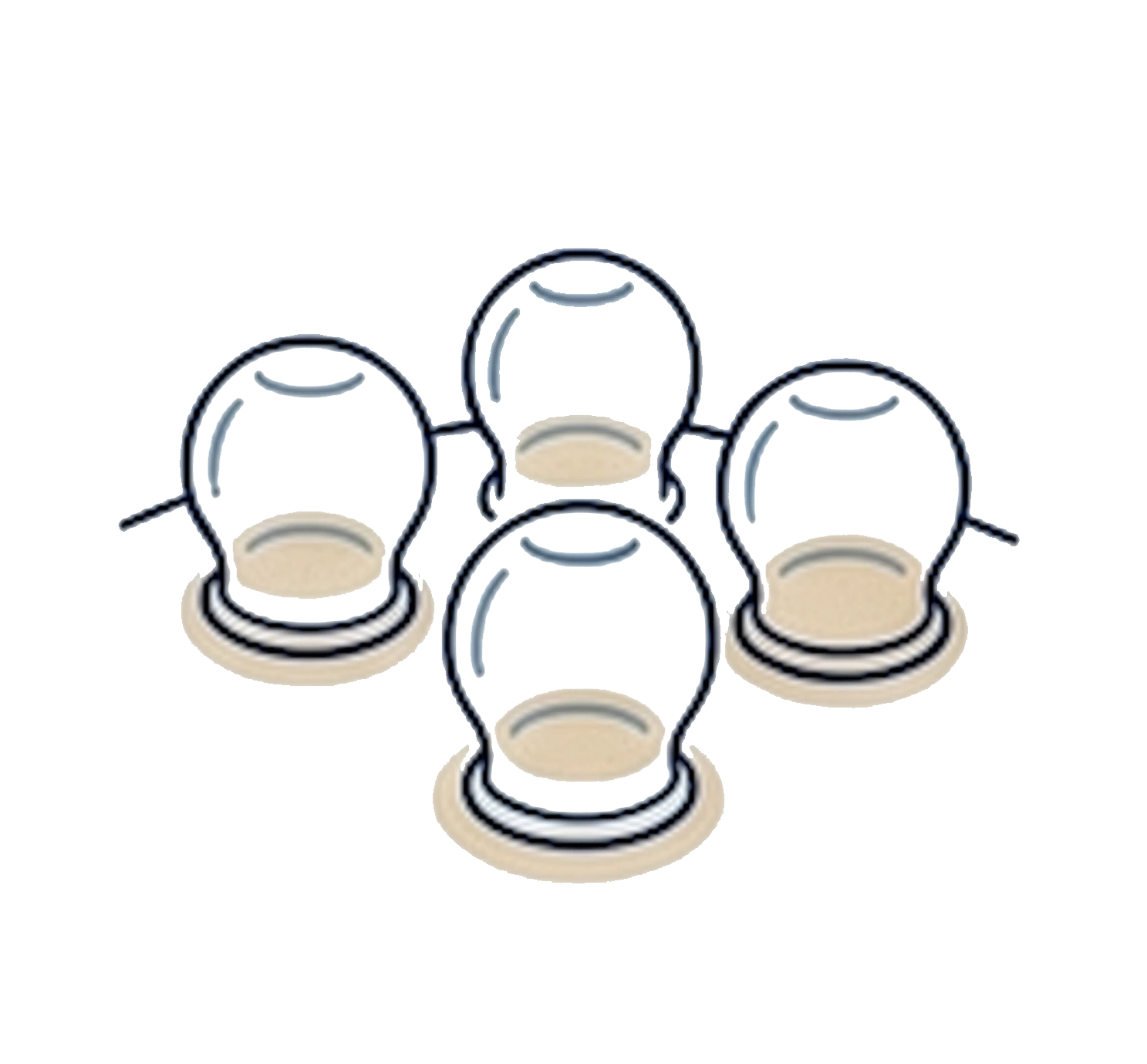
Cupping
Cupping therapy uses specialised cups to create suction on the skin and underlying tissues. This technique helps improve circulation, reduce muscle tension, increase range of motion and promote recovery from injury or exercise. Cupping is often combined with other manual and active movement techniques and may leave temporary circular marks on the skin that typically fade within a few days.
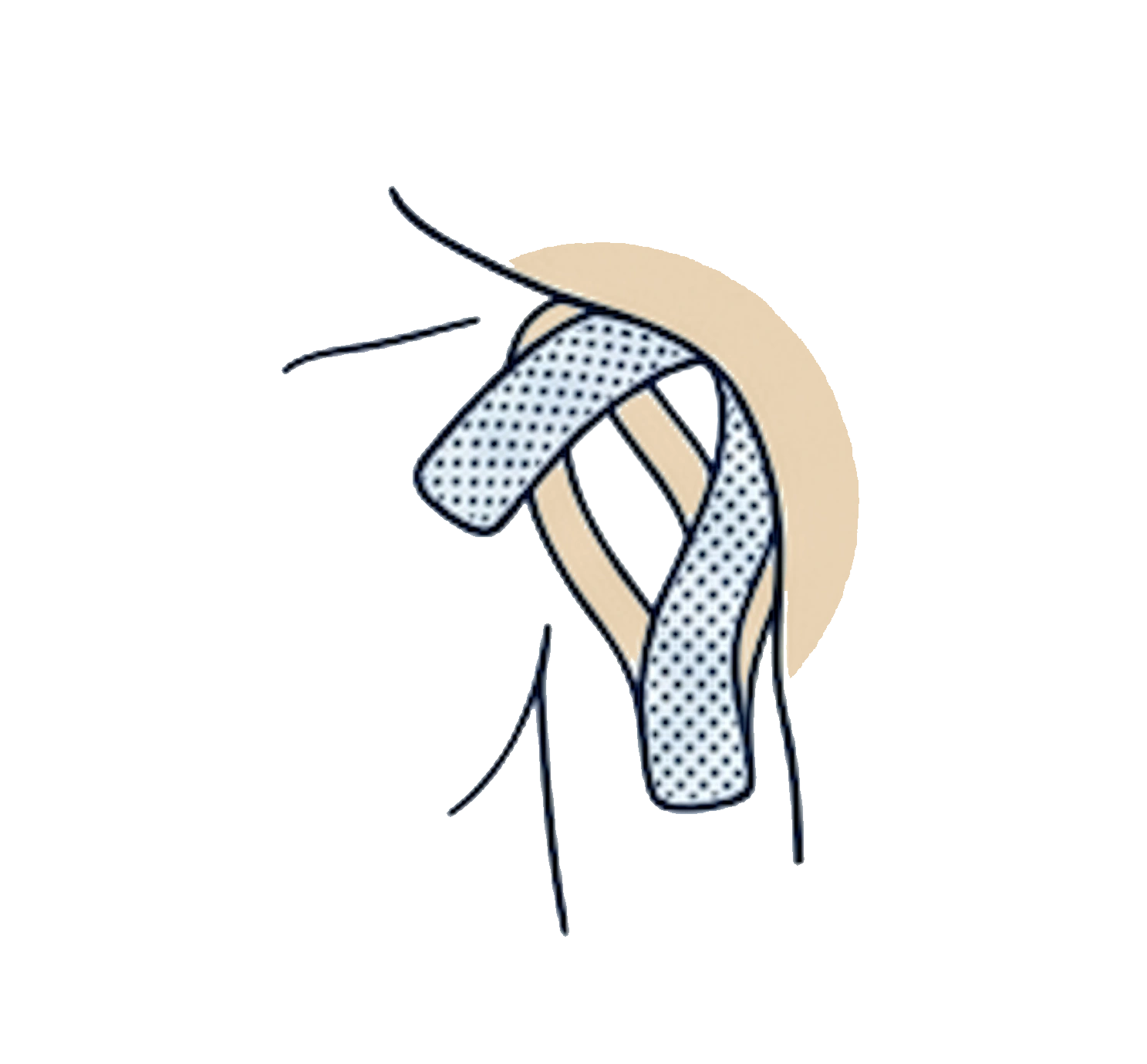
Taping
Taping provides support to muscles, joints, and injured tissues while still allowing natural movement. Depending on your condition, tape can help reduce pain, improve joint stability, decrease swelling, assist posture, and encourage better movement patterns during everyday activities or sport. It is commonly used for sprains, tendon injuries, muscle strains, lymphedema and rehabilitation.
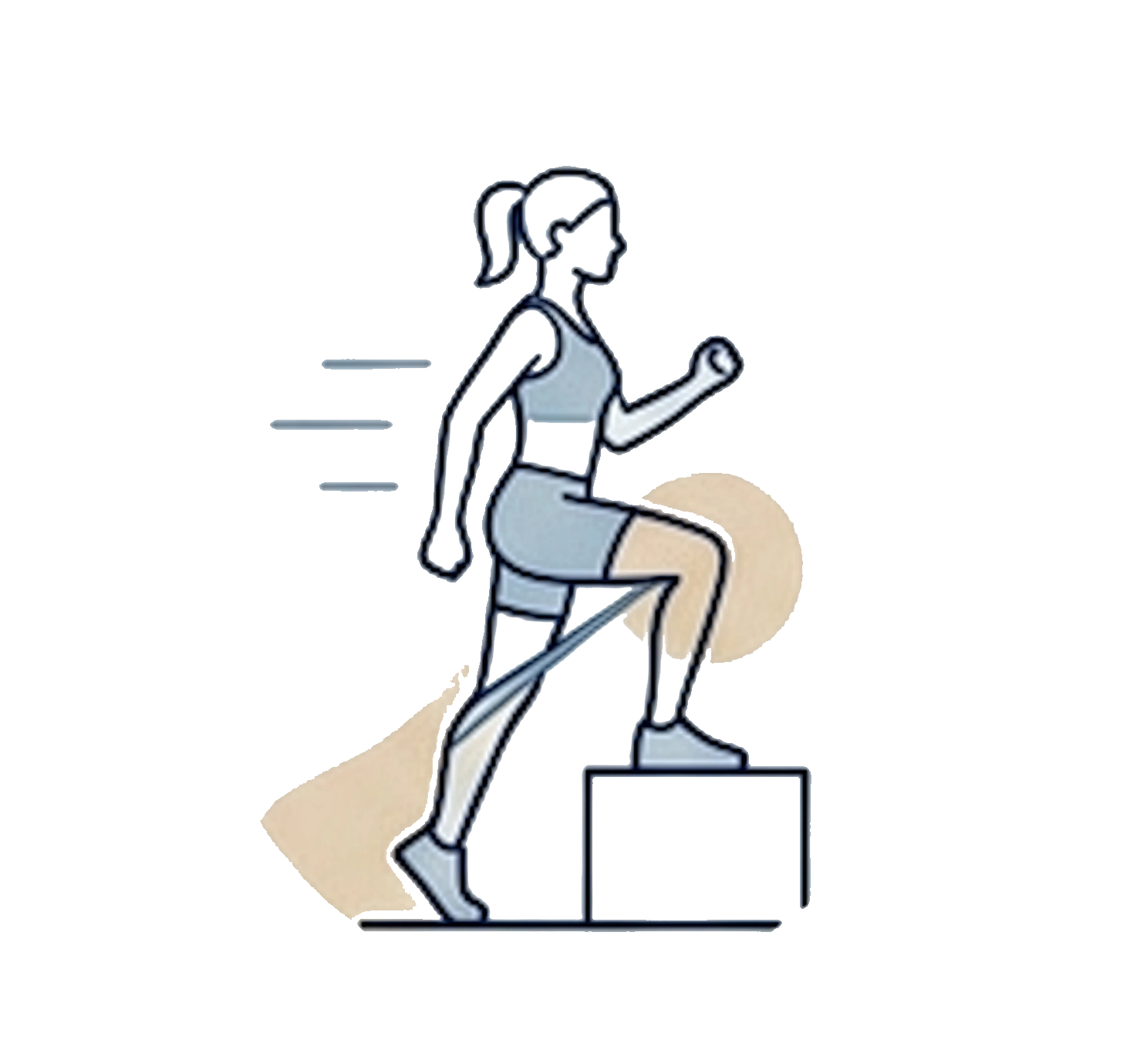
Exercise Rehabilitation
Exercise rehabilitation is an essential part of long-term recovery. After identifying the cause of your pain, an individualised exercise program designed to improve strength, flexibility, balance, and or movement patterns is essential for recovery. Rehabilitation helps reduce pain, improve function, prevent future injuries, and keep you active long after your treatment.
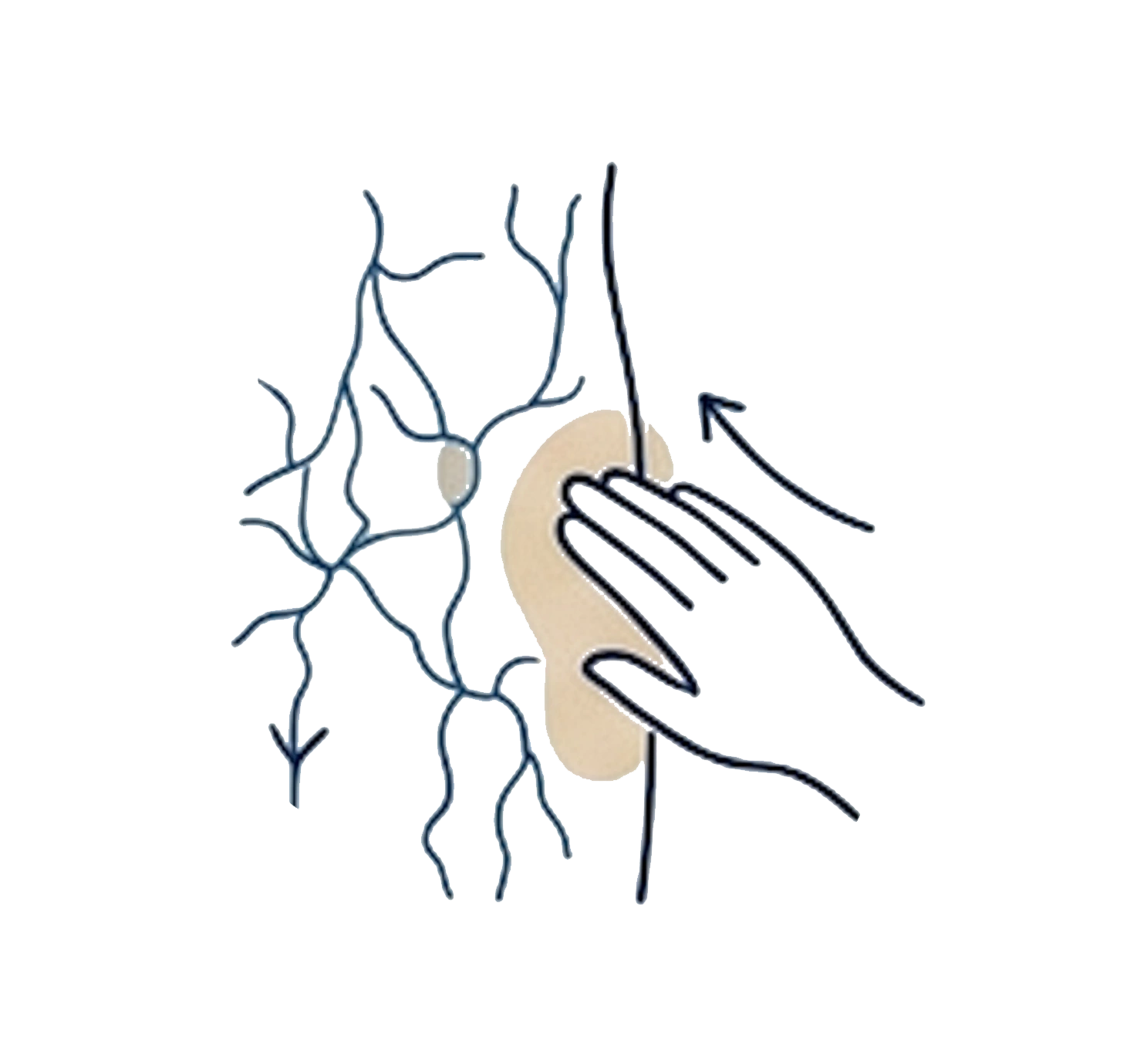
Lymphatic Drainage
Lymphatic drainage is a gentle hands-on technique that encourages the natural movement of lymphatic fluid throughout the body. It can help reduce swelling, improve circulation, support the immune system, and assist recovery following surgery, injury, or persistent inflammation. This treatment is performed using light, rhythmic movements and is suitable for a range of conditions such as Lymphedema and Lipedema.
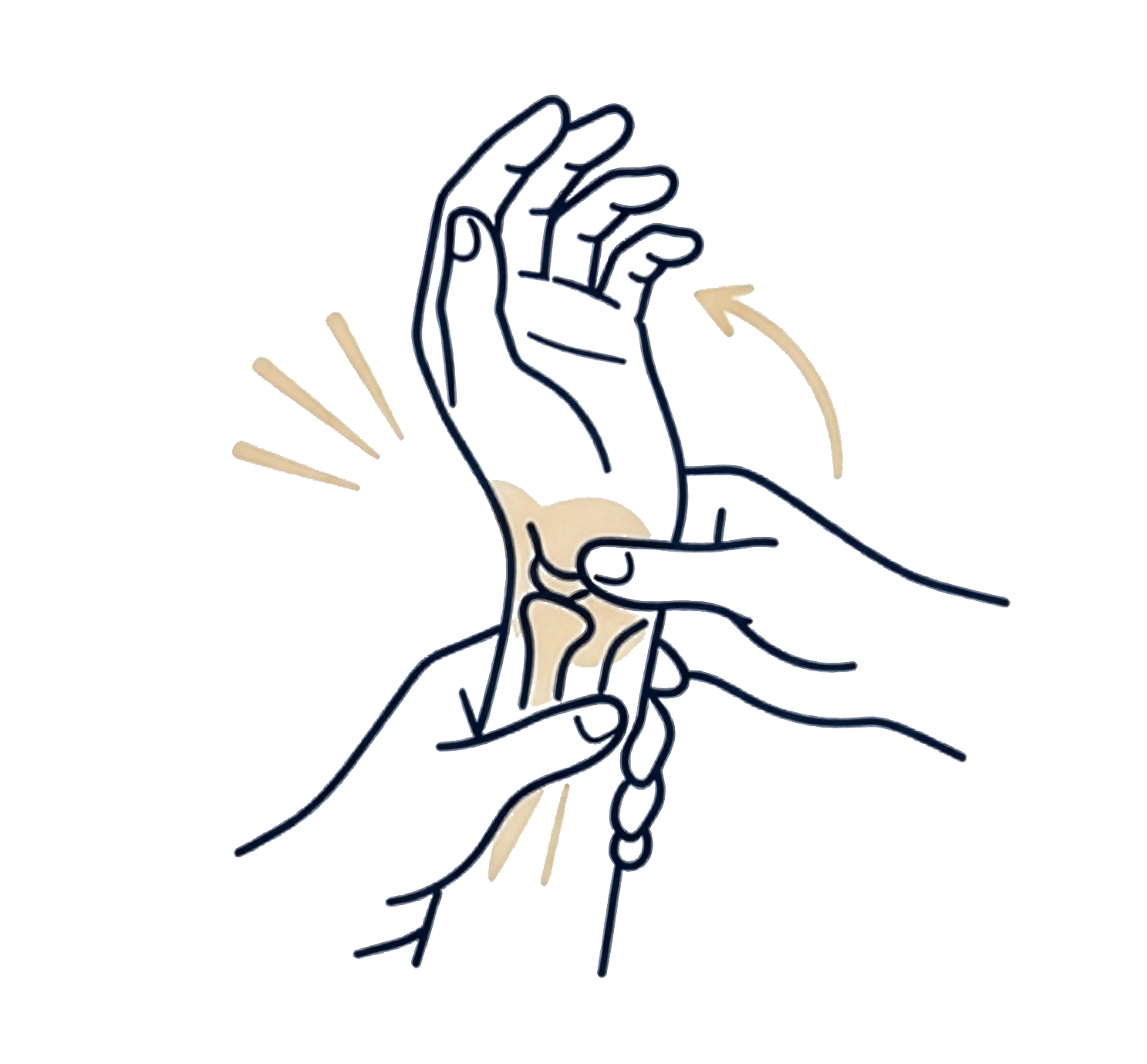
Joint Articulation
Joint articulation is a manual therapy technique that involves moving joints through their natural range of motion in a slow and controlled manner. It can help reduce stiffness, improve flexibility, relieve pain, and restore normal movement. This technique is also suitable for patients who prefer a gentler approach than joint manipulation.
Frequently Asked Questions
Osteopathy is a holistic, hands-on healthcare profession that focuses on the muscles, joints, nerves and connective tissues to reduce pain, restore movement and improve overall wellbeing. Rather than simply treating the area that hurts, osteopaths assess how the body works as a whole to identify and address the underlying cause of your symptoms.
At Galley Osteopathy we take the time to explain your condition, answer your questions and create an individualised treatment plan to help you recover, move better and stay pain-free.
Osteopaths, Physiotherapists and Chiropractors are all university trained allied health professionals who can diagnose and treat conditions such as back pain, neck pain, headaches, sports injuries and joint pain. While there is overlap between the professions, each has a different approach. This is similar to within Osteopathy as we all interpret, learn and use our skills differently.
At Galley Osteopathy, we take a whole body evidence informed approach to your care. rather than focusing solely on the area that's painful, we assess how your joints, muscles, nerves and movement patterns work together to identify the underlying factors contributing to your symptoms. We believe in chasing the injury above and below the source of identified pain to garner the best results for the individual patient.
Treatment by an Osteopath is usually described as more "hands on" approach using skills such as manual therapy, soft tissue massage, dry needling, HVLA (cracking), joint mobilisation, exercise rehabilitation, education and advice.
Galley Osteopathy is located within Iron Society Gym in Seaford. Located at 6 Stephenson Road Seaford. When you arrive for your appointment you may need to ring the doorbell so we can unlock the door for you. Please listen for a click then pull the door towards you. Once inside, the entrance to the waiting room is directly to the right. Please take a seat as the Osteopath will be with you shortly.
We accept private paying, private health funds, Medicare, CDM plans, DVA, TAC, Workcover and aged care referrals.
During your appointment at Galley Osteopathy, your osteopath will begin by asking questions about your symptoms, medical history, lifestyle and goals to develop an individualised treatment plan. If you have any previous scans, imaging or reports, these may also be reviewed to help guide your assessment.
Next, you'll undergo a thorough assessment, which may include looking at your posture, movement, gait, range of motion and performing specific orthopaedic or neurological tests relevant to your condition. Your osteopath will explain their findings and discuss what they believe is contributing to your symptoms.
If treatment is appropriate and you are happy to proceed, your osteopath may use a combination of manual therapy, soft tissue massage, joint mobilisation or manipulation, dry needling, stretching or other techniques. Every treatment is tailored to you, and you'll always have the opportunity to ask questions, discuss any concerns and decide what you're comfortable with.
Before you leave, we'll work with you to develop a personalised exercise rehabilitation plan and provide advice on activity, posture, load management or lifestyle factors to support your recovery. Our goal is to help you understand your condition, recover as quickly as possible and give you the tools to stay healthy long after your appointment.
Osteopaths spend five years at university studying their craft. Beau graduated with a Bachelor of Health Science (Osteopathy) and a Masters of Health science (Osteopathy)
Yes! Practitioners from all professions can work together to help improve a patients health. As an Osteopath Beau will often work in unison with Physiotherapists, Chiropractors, Massage therapists and other professions to help improve a patients health. Beau is always happy to communicate with any other professionals a patient may be seeing to get the best outcomes for a patient. Please note, it is advised to leave 24 hours between other health professionals appointments and yours with an Osteopath as post treatment soreness can occur.
No. You do not need a referral to book an appointment at Galley Osteopathy. You can make an appointment directly without seeing your GP first.
However, if you have been referred by your GP, specialist or another healthcare provider, you're welcome to bring your referral, along with any relevant imaging or reports, to your appointment.
If you have a chronic condition, your GP may determine that you're eligible for a Chronic Disease Management (CDM) Plan (formerly known as an EPC plan), which may provide a Medicare rebate for up to five allied health appointments each calendar year. If you're unsure whether you qualify, speak with your GP or contact us and we'll be happy to answer any questions.
We recommend wearing comfortable, loose-fitting clothing that allows you to move easily. Depending on the area being assessed or treated, your osteopath may ask you to expose the affected region to perform a thorough examination. Shorts, activewear or clothing that is easy to move in are often ideal.
Your comfort and privacy are always respected, and you are welcome to let your osteopath know if you have any concerns. If needed, gowns or towels can be provided to ensure you feel comfortable throughout your osteopathy appointment.
Yes. Exercise rehabilitation is an important part of osteopathic care and is often used alongside hands-on treatment to help reduce pain, restore movement and prevent injuries from returning. Your exercise program will be tailored to your condition, goals and current level of function.
At Galley Osteopathy, Beau has a strong background in sport, strength training and exercise rehabilitation. Whether you're recovering from an acute injury, managing a chronic condition, improving posture, refining your gait or running technique, or simply looking for stretches and exercises to keep you moving well, your rehabilitation plan will be personalised to your needs.
Our goal is to help you understand your injury, improve how your body moves and give you the knowledge and confidence to manage your recovery both inside and outside the clinic.
Osteopaths assess and treat a wide range of musculoskeletal conditions affecting the muscles, joints, nerves, tendons and ligaments. At Galley Osteopathy, we commonly help people with:
Neck pain and stiffness
Lower back pain (acute and chronic)
Mid back pain and rib pain
Sciatica and nerve impingement
Headaches and cervicogenic headaches
Migraines
Jaw pain and temporomandibular joint (TMJ/TMD) dysfunction
Shoulder pain, rotator cuff injuries and shoulder dislocations
Tennis elbow and golfer's elbow
Wrist and hand pain
Hip pain, SIJ (sacroilliac joint) dysfunction and bursitis
Knee pain
Ankle sprains and foot pain
Plantar fasciitis
Muscle strains and tears
Tendinopathy and tendon injuries
Sports injuries
Arthritis and osteoarthritis
Disc injuries and disc bulges
Postural pain and workplace-related pain
Pregnancy-related back and pelvic pain
Chronic pain and persistent pain
Balance and gait concerns
General muscle tension and stress-related aches and pains
Every patient is different, so treatment is tailored to your individual needs following a thorough assessment. If your condition isn't listed above, please get in touch—we may still be able to help or guide you towards the most appropriate healthcare provider.
Follow us on instagram @galleyosteopathy
Contact Us
Address
6 Stephenson Rd, Seaford VIC 3198, Australia
Phone
0403 632 221Operating Hours
Monday: 9:00am - 5:30pm
Tuesday: 9:00am - 5:00pm
Wednesday: 9:00am - 5:00pm
Thursday: 9:00am - 6:00pm
Friday: 9:00am - 4:00pm
Saturday: Closed
Sunday: Closed
Associated Organisations
We accept referrals and funding from the below: